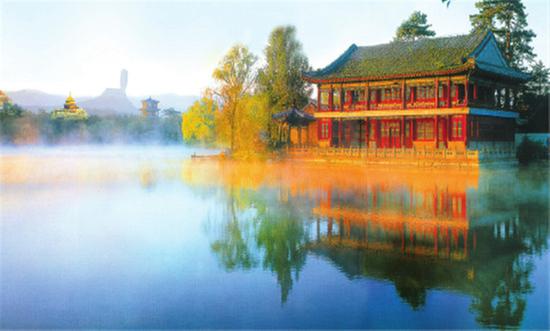
Chengde Mountain Resort
Introduction
Chengde Mountain Resort, once served emperors of the Qing Dynasty (1644-1911), is located in Hebei province, China. The resort is a vast complex comprising palaces, administrative buildings, ceremonial structures, and temples of various architectural styles. It also features expansive imperial gardens set against a backdrop of lakes, pastureland, and forests. Spanning 611.2 hectares, Chengde Mountain Resort is recognized as the largest existing imperial palace-garden complex in China and is considered a significant historical vestige from the final stages of feudal society in China.
History
Construction and Development
The construction of Chengde Mountain Resort began in 1703 and continued until 1792, during the Qing Dynasty. The resort was initially conceived as a summer retreat to escape the intense heat of Beijing. It also served as a strategic base for managing relations with ethnic minorities and maintaining stability in the border regions. The idea was to create a space where natural beauty and architectural splendor could coexist, leading to the development of a complex that includes not only palaces and ceremonial buildings but also an extensive array of gardens, lakes, and forests.
The resort's development involved the construction of 12 outlying imperial temples, some of which were designed in the architectural styles of ethnic groups. These temples were strategically placed across the eastern and northern hills outside the main palace and garden area, representing the relationships with ethnic groups and safeguarding the resort. The construction and development of Chengde Mountain Resort were influenced by the need to consolidate power and promote cultural integration within the Qing Dynasty's multi-ethnic empire.
Historical Significance
Chengde Mountain Resort holds immense historical significance as it was not only a retreat for emperors but also a center for planning. Many historical events of the Qing Dynasty unfolded here, and the resort played a pivotal role in consolidating the unitary multi-ethnic state of China. The resort's architecture and layout reflect the diverse cultural influences of the time, showcasing the integration of Han, Mongolian, and other ethnic architectural styles.
The resort also bears witness to the consolidation of China's cultural and ethnic diversity, as it was a venue where Qing emperors met with leaders of ethnic minority groups and diplomatic envoys from foreign countries. Additionally, it served as the starting point for the imperial hunting event in the Qing Dynasty. As a whole, Chengde Mountain Resort represents the Qing Dynasty's power and cultural synthesis, as well as the final flowering of China's feudal societies.
Architecture
Main Buildings
The architectural design of Chengde Mountain Resort reflects the lavishness and sophistication of Qing Dynasty palace architecture. The main buildings within the resort include several palaces and ceremonial halls used by the emperors for administrative and leisure purposes. These structures are characterized by their intricate detailing, balanced proportions, and use of traditional Chinese building materials.
Landscape
One of the most notable features of the resort's architecture is its integration with the natural landscape. The landscape is carefully crafted to follow the natural topography, with lakes, hills, and forests artfully interwoven with the architectural elements. The resort's gardens incorporate elements from Han, Mongolian, and other ethnic gardening traditions, showcasing the cultural exchanges that occurred during the development of the resort. The use of feng shui, the traditional Chinese geomantic culture, is evident in the layout of the gardens, which aim to achieve a balance between the manmade environment and the natural world. This harmonious integration has had a lasting influence on landscape design, both in China and internationally, particularly in the 18th century.
Cultural Impact
Influence on Chinese Culture
Chengde Mountain Resort has had a profound influence on Chinese culture, particularly in terms of architectural and garden design. The resort's integration of various ethnic architectural styles and cultural elements reflects the Qing Dynasty's emphasis on cultural synthesis and unity. This approach not only enriched China's architectural heritage, but it contributed to greater understanding and appreciation among different ethnic groups.
The resort's design has been recognized as a classic example of Chinese palace architecture and has played a significant role in shaping the imperial gardening tradition. Its influence extends beyond China, as it has inspired landscape garden design in Europe and other parts of the world. The resort's emphasis on harmony with nature and the integration of manmade and natural environments continue to resonate in contemporary architectural and landscape design practices.
Recognition and Preservation
Chengde Mountain Resort's cultural significance has been recognized by UNESCO, designating it as a World Cultural Heritage site. This recognition underscores the resort's value as a historical and cultural landmark and highlights the importance of preserving its integrity and authenticity. The resort is protected by national laws and regulations, ensuring that its historical layout, buildings, and artifacts are preserved for future generations.
Efforts to preserve the resort include the implementation of a comprehensive Conservation Master Plan, which outlines strategies for maintaining the site's cultural and historical significance. These efforts are supported by a dedicated team of conservation professionals who are responsible for the protection, maintenance, and research of the resort. The preservation of Chengde Mountain Resort ensures that its rich cultural heritage and historical testimony continue to be appreciated and understood by people around the world.
Visitor Information
Chengde Mountain Resort is a popular tourist destination, attracting visitors from around the world who come to experience its historical and cultural significance. The resort is open to the public, with guided tours available to help visitors explore its various palaces, gardens, and temples. These tours provide insights into the resort's history, architecture, and cultural impact, offering a comprehensive understanding of its importance.
Visitors can explore the resort's many attractions, including its lakes, gardens, and scenic landscapes. The resort also hosts various cultural events and exhibitions, such as the display of antique timepieces, which provide visitors with a glimpse into the life and culture of the Qing Dynasty. These events enhance the visitor experience and offer unique opportunities to engage with Chinese history and culture.








